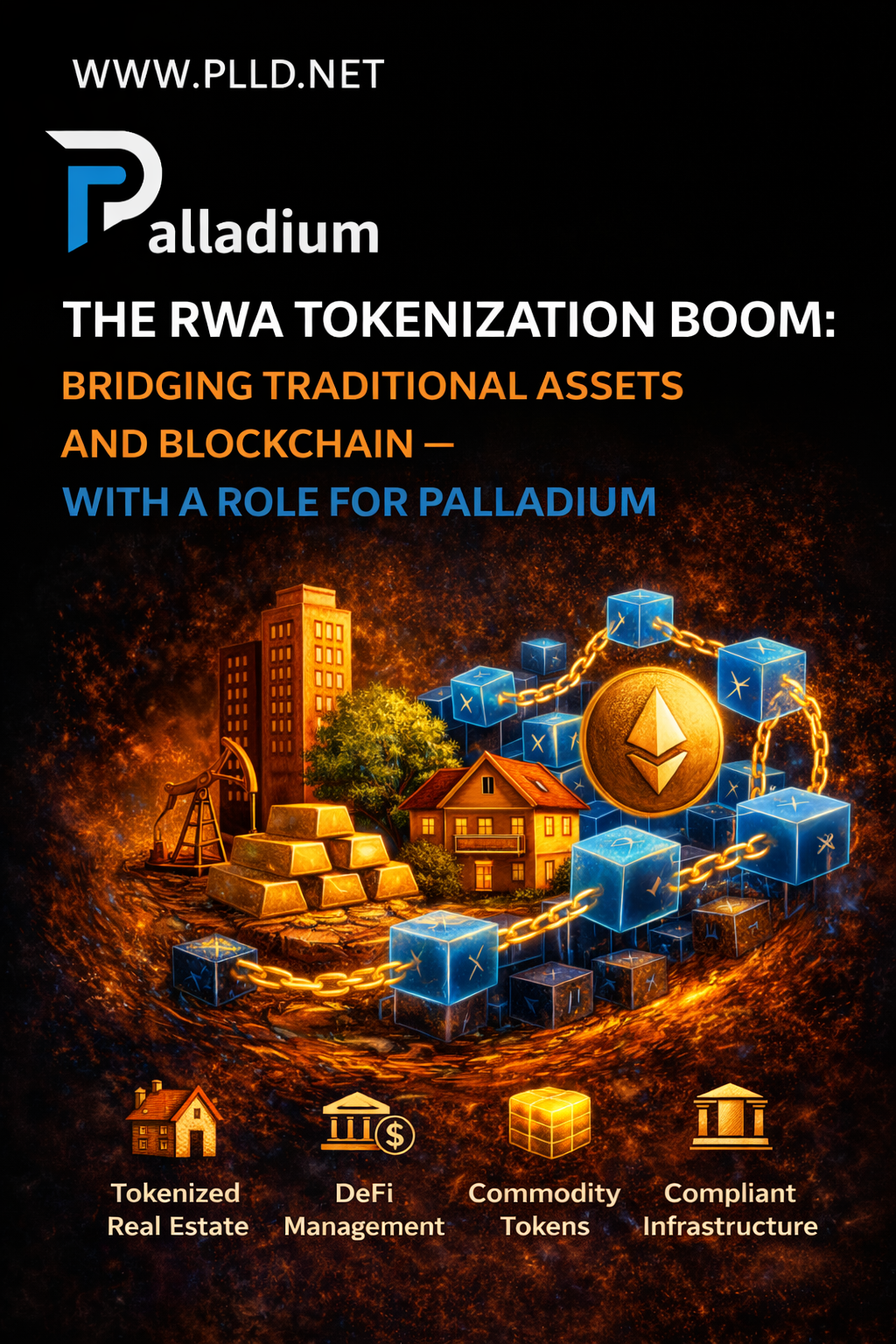
What Is RWA Tokenization?
RWA tokenization involves representing ownership or economic rights to real-world assets as blockchain tokens. These token representations can include:
- real estate
- government and corporate bonds
- commodities
- private credit and debt instruments
- equities and fund shares
Through tokenization, these assets become programmable, divisible, and transferable on-chain.
Why RWAs Are Gaining Momentum
Several forces are accelerating RWA adoption:
- global demand for yield and diversification
- increasing regulatory clarity
- institutional interest in blockchain-based settlement systems
- efficiency gains compared with legacy financial infrastructure
Blockchain technology reduces settlement times, lowers costs, and enables global access 24/7, traits that are hard to ignore for both institutional and retail participants.
Unlocking Liquidity and Accessibility
One of the most powerful aspects of RWA tokenization is liquidity creation. Traditionally illiquid assets like real estate or private debt can now be fractionalized and traded globally — broadening access far beyond high-net-worth or accredited investors.
Key benefits include:
- fractional ownership for smaller investors
- 24/7 global markets
- faster settlement
- opportunities for participation across borders
This evolution is bringing previously inaccessible assets to a wider audience.
Palladium’s Approach to Tokenized Real Estate
Palladium is positioned at the intersection of real-world assets and blockchain technology. With initiatives like Real Estate NFTs, Palladium enables:
- verifiable digital ownership backed by real property
- fractional participation in real estate markets
- transparent, on-chain records of ownership and transfer
- simplified access for global investors
By offering real-estate NFTs — where each token represents a tangible interest in property — Palladium transforms traditional investment into a programmable digital experience. These NFT-based assets can be held, traded, or leveraged within broader decentralized finance ecosystems.
You can explore these offerings in more detail at: https://plld.net/real-estate-nfts.
RWAs and DeFi Integration
Tokenized real-world assets increasingly integrate with decentralized finance protocols. This enables RWAs to be used in ways never before possible:
- as collateral for loans
- as yield-generating instruments
- within structured on-chain products
- in algorithmic portfolio strategies
The result is a hybrid — finance built on blockchain, yet grounded in real, familiar assets.
Institutional Involvement and Confidence
Major financial institutions are actively exploring tokenization workflows. Banks, asset managers, and third-party custodians are developing infrastructure that supports tokenized asset issuance, compliance, and settlement.
This institutional embrace signals a long-term confidence in the role blockchain will play in mainstream finance.
Challenges Still Ahead
Despite rapid progress, RWA tokenization faces several real challenges:
- regulatory alignment across global jurisdictions
- asset custody and legal enforceability
- transparency and auditing of off-chain asset backing
- standardization of token frameworks
Responsible growth hinges on solving these issues with rigor and clarity.
A Structural Shift in Global Finance
The RWA tokenization boom is more than a trend — it’s structural evolution. As infrastructure matures and platforms like Palladium demonstrate real-world use cases such as real estate NFTs, tokenized assets may become a core pillar of the global financial system.
Blockchain is no longer just about digital assets — it’s becoming the foundation for real-world value on-chain, accessible to a broader audience than ever before.
Disclaimer:
This article is not financial advice. Always conduct your own research before making financial decisions.