The Early Days of Crypto
In the early stages of cryptocurrency, many projects focused heavily on:
- Market speculation
- Short-term trading
- Rapid price movements
- Viral hype cycles
While this helped attract attention to blockchain technology, many ecosystems struggled to maintain long-term relevance without real-world applications or ecosystem infrastructure.
As a result, the industry began shifting toward more utility-driven models.
What Does Utility Mean in Crypto?
Utility refers to the practical use cases and functionality that a blockchain ecosystem provides to its users.
A utility-focused ecosystem may include:
- Staking systems
- DeFi infrastructure
- NFT integration
- Governance participation
- Automated financial tools
- Swap and trading utilities
- Real-world asset integration
The more functionality a token supports within an ecosystem, the stronger its long-term foundation may become.
Why Utility Matters
Projects with strong utility often create:
- More ecosystem activity
- Greater user engagement
- Stronger long-term participation
- Increased demand for ecosystem services
Instead of relying only on speculation, utility-driven ecosystems create environments where users actively interact with blockchain infrastructure.
This transition is helping the crypto industry evolve into a more functional digital economy.
The Rise of Ecosystem Tokens
Modern blockchain projects increasingly position themselves as complete ecosystems rather than standalone tokens.
These ecosystems combine multiple technologies into interconnected platforms that may include:
- NFTs
- Staking
- DeFi services
- Governance systems
- Real-world asset integration
- Automated trading infrastructure
This multi-utility approach creates stronger ecosystem synergy and broader adoption opportunities.
Staking and Passive Participation
Staking has become one of the most common examples of utility in blockchain ecosystems.
Through staking systems, users can:
- Participate in ecosystem growth
- Support network stability
- Earn passive rewards
- Encourage long-term holding
This creates stronger engagement while reducing short-term speculative pressure.
NFTs Beyond Digital Collectibles
NFT technology is also evolving into utility-based infrastructure.
Modern NFT ecosystems increasingly focus on:
- Digital ownership
- Ecosystem access
- Yield participation
- Asset representation
- Community integration
This expands NFTs beyond collectibles into functional Web3 components.
Real-World Assets and Blockchain Integration
Another major trend is the integration of real-world assets (RWAs) into blockchain ecosystems.
Projects are exploring ways to connect blockchain technology with:
- Real estate
- Financial assets
- Commodities
- Tokenized ownership systems
This helps bridge the gap between decentralized technology and tangible economic value.
The Importance of Sustainable Ecosystems
The market is increasingly rewarding projects that focus on:
- Long-term development
- Real infrastructure
- Active communities
- Consistent ecosystem expansion
Utility-driven projects are often viewed as more sustainable because they create ongoing participation instead of relying entirely on hype cycles.
Challenges Facing Utility-Based Projects
Building real utility is not easy.
Projects must balance:
- Technical development
- Security
- Scalability
- User adoption
- Regulatory considerations
- Community engagement
Successful ecosystems require both innovation and long-term execution.
The Future of Utility-Driven Crypto
As blockchain technology continues evolving, utility may become one of the defining factors behind ecosystem success.
Future blockchain ecosystems will likely focus heavily on:
- Integrated Web3 infrastructure
- Cross-platform functionality
- Automated systems
- Real-world integration
- Sustainable token economies
The projects that continue building functional ecosystems may help shape the future of decentralized finance and digital ownership.
Conclusion
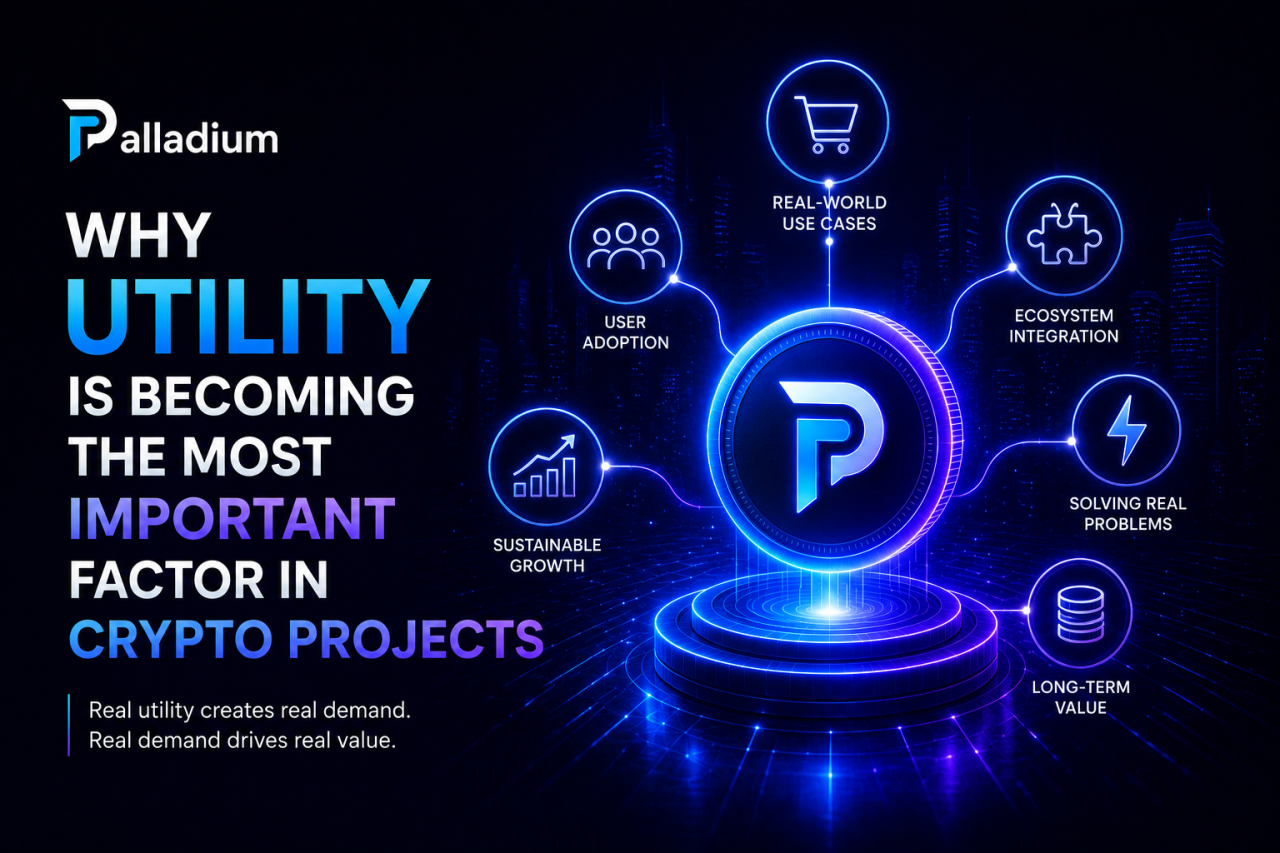
The cryptocurrency industry is moving beyond simple speculation toward ecosystems built on real utility and infrastructure.
As adoption grows, projects that provide meaningful functionality, ecosystem participation, and long-term value may become increasingly important within the evolving Web3 economy.
Utility is no longer optional—it is becoming the foundation of modern blockchain ecosystems.
Disclaimer: The information provided in this article is for informational and educational purposes only and should not be considered financial, investment, or trading advice. Cryptocurrency markets are highly volatile and involve significant risk. Readers are encouraged to conduct their own research, verify all facts, and consult with a licensed financial advisor before making any investment or trading decisions.