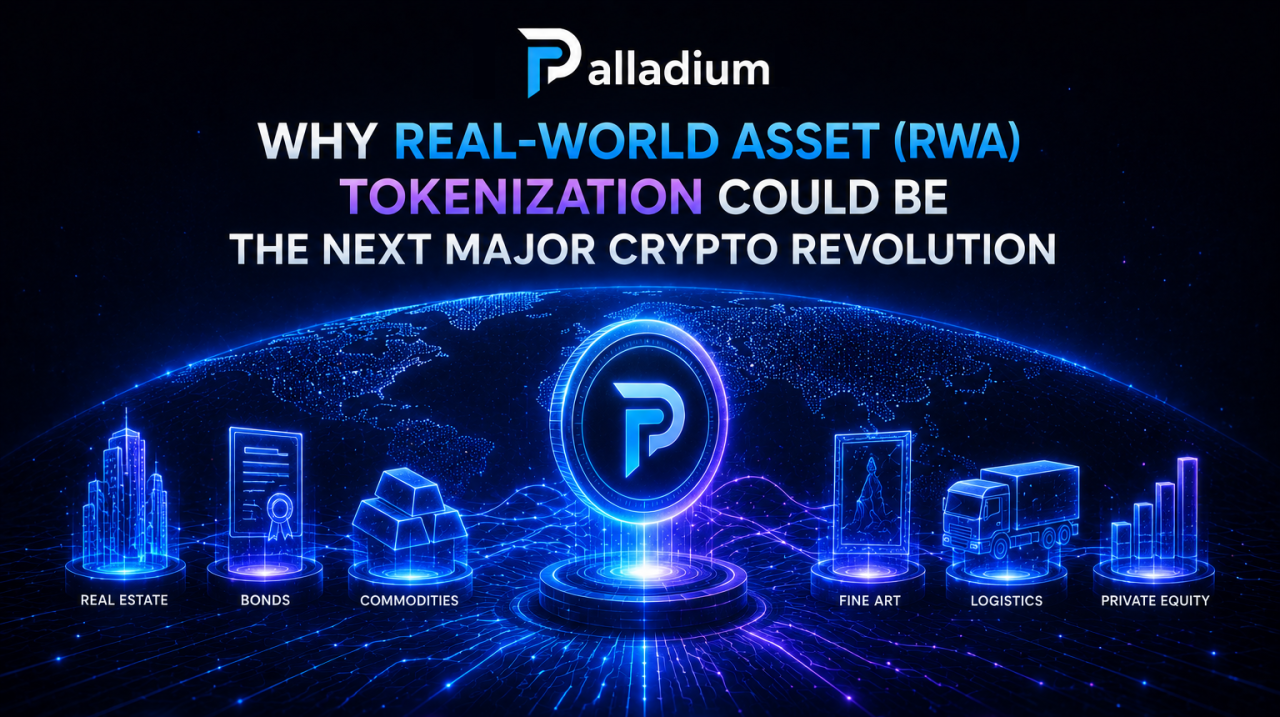
What Are Real-World Assets (RWAs)?
Real-World Assets are physical or traditional financial assets represented digitally through blockchain technology.
These assets can include:
- Real estate
- Commodities
- Bonds
- Precious metals
- Private equity
- Luxury assets and collectibles
Through tokenization, ownership rights are converted into blockchain-based digital tokens.
Why Tokenization Matters
Traditional investment systems often come with limitations:
- High entry barriers
- Limited liquidity
- Slow settlement processes
- Geographic restrictions
- Heavy reliance on intermediaries
Blockchain technology offers solutions to many of these problems by creating more accessible and efficient ownership systems.
Fractional Ownership Changes Everything
One of the biggest advantages of tokenization is fractional ownership.
Instead of needing large amounts of capital to buy an entire asset, investors can own smaller portions represented by tokens.
For example:
- A real estate property can be divided into digital shares
- Multiple investors can participate globally
- Ownership becomes more accessible to everyday users
This creates opportunities that were previously limited to large institutions or wealthy investors.
Improved Liquidity in Traditional Markets
Many traditional assets are difficult to sell quickly.
Real estate, private investments, and collectibles often require lengthy processes and multiple intermediaries.
Tokenization can improve liquidity by enabling:
- Faster transfers
- Digital trading environments
- Global market participation
- More efficient ownership exchange
As infrastructure improves, tokenized assets may become significantly easier to buy and sell.
Transparency Through Blockchain
Blockchain technology also introduces greater transparency into ownership systems.
Benefits include:
- Public verification of transactions
- Immutable ownership records
- Improved auditability
- Reduced operational friction
Smart contracts can automate processes such as:
- Revenue distribution
- Ownership transfers
- Compliance systems
- Asset management functions
This creates a more streamlined financial ecosystem.
Institutional Adoption Is Accelerating
Large financial institutions are increasingly exploring tokenized asset markets.
Why?
Because tokenization offers:
- Greater efficiency
- Lower operational costs
- Expanded global accessibility
- Faster settlement systems
As institutional participation grows, the infrastructure around RWAs continues to mature rapidly.
The Connection Between Crypto and Real Value
One criticism of crypto has always been the perception that many assets lack tangible backing.
RWAs help address this by connecting blockchain ecosystems with:
- Physical assets
- Real economic activity
- Tangible ownership models
This creates a bridge between traditional finance and decentralized systems.
Challenges Still Exist
Despite the momentum, RWA tokenization still faces obstacles:
- Regulatory uncertainty
- Legal ownership frameworks
- Custody and compliance requirements
- Infrastructure standardization
However, ongoing development across the industry is steadily addressing these challenges.
The Future of Tokenized Economies
The future financial system may become increasingly tokenized.
In the coming years, blockchain technology could power:
- Digital property ownership
- Tokenized investment portfolios
- Global decentralized marketplaces
- Blockchain-based financial infrastructure
As adoption grows, tokenized assets may become a foundational component of the global economy.
Conclusion
Real-World Asset tokenization represents one of the most important developments in modern crypto.
By combining blockchain technology with tangible value, RWAs are helping transform cryptocurrency from a speculative market into a more utility-driven financial ecosystem.
As infrastructure improves and adoption expands, tokenized assets could play a central role in shaping the future of global finance.
Disclaimer: The information provided in this article is for informational and educational purposes only and should not be considered financial, investment, or trading advice. Cryptocurrency markets are highly volatile and involve significant risk. Readers are encouraged to conduct their own research, verify all facts, and consult with a licensed financial advisor before making any investment or trading decisions.