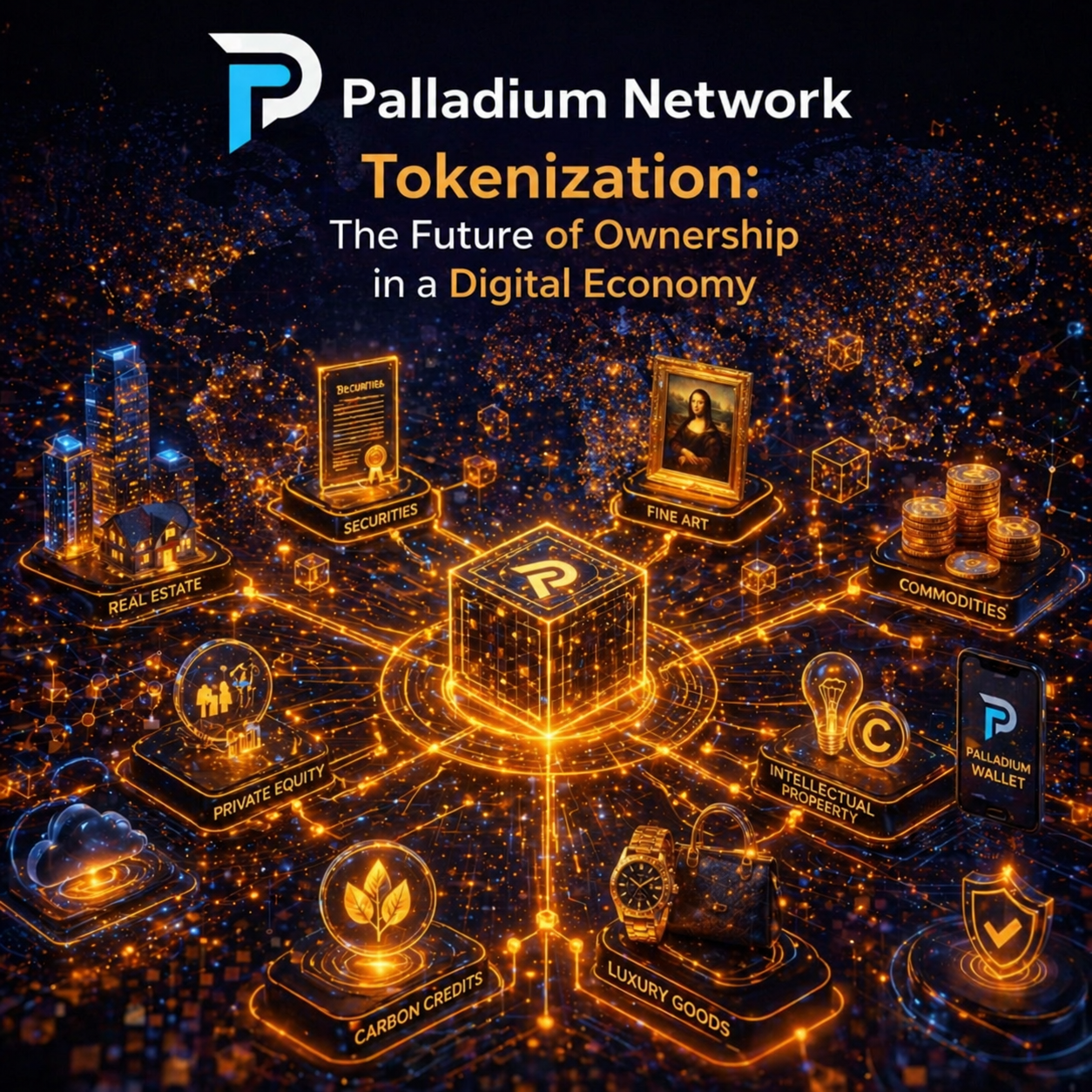
What Is Tokenization?
Tokenization is the process of representing physical or traditional financial assets—such as real estate, commodities, or equities—as digital tokens on a blockchain.
Each token can represent:
- Full ownership of an asset
- Fractional shares of high-value assets
- Rights to income, dividends, or usage
This innovation removes many of the traditional barriers associated with investing and asset management.
Breaking Down Traditional Barriers
Historically, access to premium investments has been limited to institutions or high-net-worth individuals. Tokenization changes that by enabling:
- Fractional ownership – Invest in assets without needing large capital
- Global accessibility – Anyone with an internet connection can participate
- 24/7 liquidity – Trade assets anytime, without traditional market hours
For example, instead of needing hundreds of thousands to invest in real estate, users can own a fraction of a property through blockchain-based tokens.
A More Efficient Financial System
Tokenization significantly improves the efficiency of financial markets.
Traditional systems rely heavily on intermediaries—banks, brokers, clearinghouses—which introduce delays and costs. Blockchain eliminates or reduces these intermediaries by enabling:
- Instant settlement
- Lower transaction fees
- Transparent ownership records
This leads to a faster, more secure, and more cost-effective financial ecosystem.
Real-World Asset (RWA) Boom
One of the fastest-growing sectors in crypto is the tokenization of real-world assets (RWA).
This includes:
- Real estate
- Precious metals
- Government bonds
- Private equity
RWAs are bridging the gap between traditional finance and blockchain, bringing tangible value into the digital economy. Unlike purely speculative assets, RWAs are backed by real, measurable value—making them increasingly attractive to both retail and institutional investors.
Why Institutions Are Paying Attention
Major financial institutions are now actively exploring tokenization as part of their long-term strategy.
The reasons are clear:
- Increased liquidity in traditionally illiquid markets
- Improved transparency and compliance
- Access to a broader global investor base
Tokenization is not just a crypto trend—it is becoming a core pillar of next-generation finance.
Challenges to Overcome
Despite its potential, tokenization still faces several hurdles:
- Regulatory frameworks are still evolving
- Asset custody and legal ownership structures need standardization
- Market education remains limited
However, progress is being made rapidly, with governments and institutions working toward clearer guidelines.
The Role of Blockchain Ecosystems
The success of tokenization depends heavily on robust blockchain ecosystems that can support:
- Secure smart contracts
- Scalable infrastructure
- User-friendly platforms
- Regulatory-compliant frameworks
Projects that combine these elements are positioned to lead the next wave of financial innovation.
Looking Ahead
Tokenization has the potential to unlock trillions of dollars in previously illiquid assets. As infrastructure improves and adoption increases, we are moving toward a future where:
- Ownership is digitized
- Markets are borderless
- Investment is accessible to all
Conclusion
Tokenization is more than just a technological advancement—it is a fundamental shift in how value is created, managed, and exchanged.
As the world moves toward a more decentralized and inclusive financial system, tokenized assets will play a critical role in shaping the future of global finance.
The projects that embrace this transformation today will define the financial landscape of tomorrow.
Disclaimer: The information provided in this article is for informational and educational purposes only and should not be considered financial, investment, or trading advice. Cryptocurrency markets are highly volatile and involve significant risk. Readers are encouraged to conduct their own research, verify all facts, and consult with a licensed financial advisor before making any investment or trading decisions.