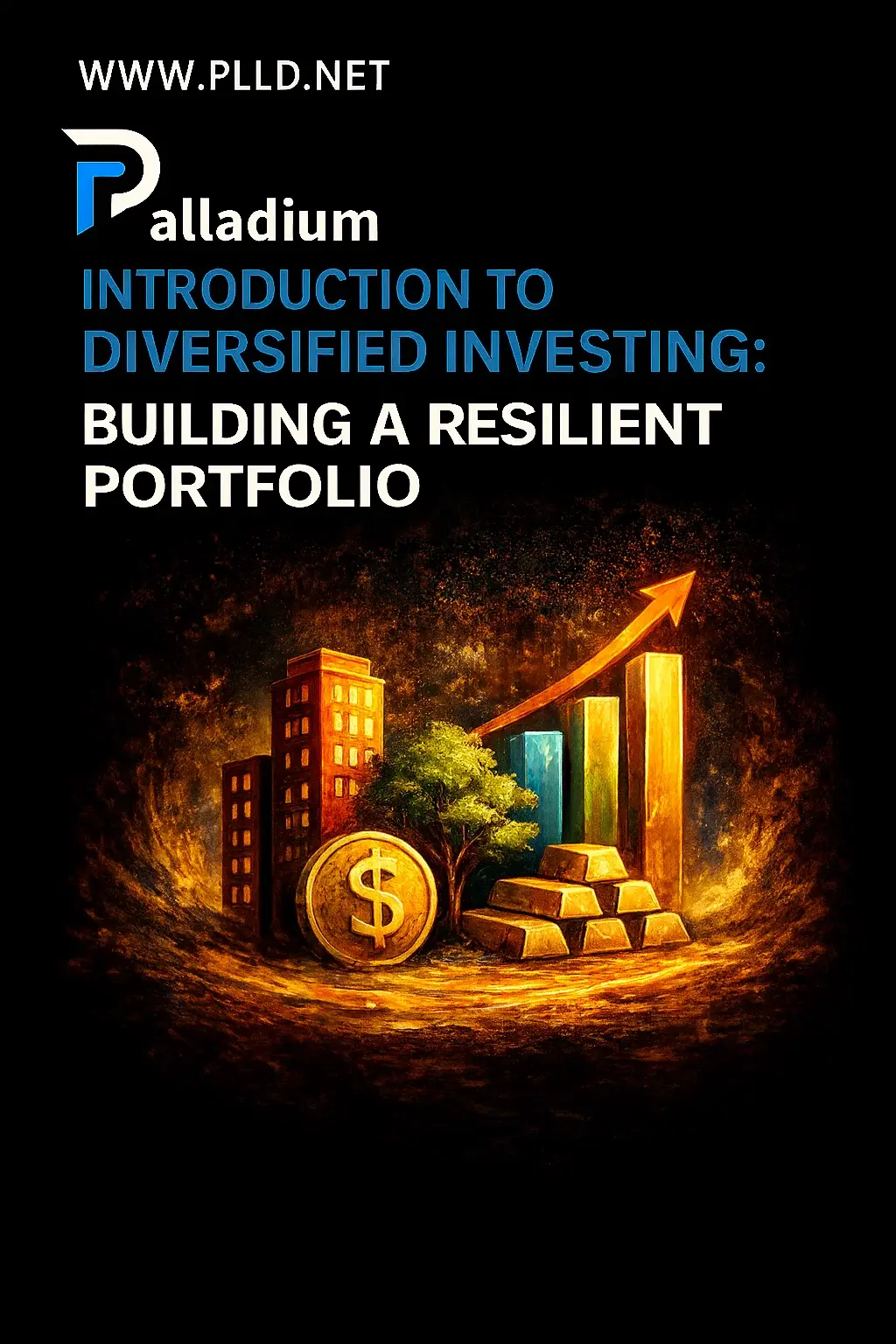
Why Diversification Matters
Investing is inherently uncertain. Markets fluctuate, economies shift, and unforeseen events can impact the value of your assets. By diversifying—allocating capital across different types of investments—you reduce the risk of a single investment significantly hurting your portfolio. Simply put, diversification helps you balance potential rewards with manageable risks.
A well-diversified portfolio can:
- Mitigate losses when one sector underperforms.
- Capture gains from different markets and asset classes.
- Provide stability and long-term growth potential.
Exploring Different Types of Investments
Diversification isn’t just about owning multiple stocks. A resilient portfolio often includes a mix of asset classes:
-
Cryptocurrencies
Digital currencies like Bitcoin, Ethereum, and emerging altcoins offer high growth potential but come with significant volatility. Crypto can be an exciting addition to a portfolio for those with a higher risk tolerance. -
Stocks and Equities
Shares of companies allow investors to participate in corporate growth. Stocks can generate income through dividends and long-term capital appreciation. Diversifying across industries and geographies helps reduce risk. -
Real Estate
Property investments, whether residential, commercial, or through Real Estate Investment Trusts (REITs), provide tangible assets and can generate steady income. Real estate often behaves differently than financial markets, offering additional stability. -
Commodities and Precious Metals
Assets like gold, silver, oil, and agricultural products act as hedges against inflation and market turbulence. They often move independently of stocks and bonds, making them valuable diversification tools. -
Bonds and Fixed Income
Bonds and other fixed-income instruments provide predictable returns and can balance the volatility of stocks and cryptocurrencies. Government and corporate bonds are common choices.
Understanding Risk and Return
Every investment carries a level of risk, and potential returns usually correspond to that risk. High-risk assets like cryptocurrencies or small-cap stocks can offer large gains but may experience sharp declines. Low-risk assets like bonds and some real estate investments provide steadier returns but often grow more slowly.
A diversified portfolio balances risk and reward according to your financial goals, time horizon, and comfort with uncertainty.
Setting the Stage for Smarter Investing
This article is just the beginning. Over the next series, we will dive deeper into specific investment areas—cryptocurrencies, real estate, commodities, and crafting a balanced portfolio—giving you actionable insights to build a more resilient financial future.
Investing wisely is not about chasing the biggest gains. It’s about making informed decisions, spreading risk, and preparing for both opportunities and challenges ahead. Diversification is your first step toward a smarter, more stable investment journey.
Disclaimer:
This article is not financial advice. Always conduct your own research before making financial decisions.