Bitcoin Continues to Lead
Bitcoin remains the largest and most recognized cryptocurrency in the world. Often referred to as "digital gold," it continues to attract both retail investors and institutional participants seeking a decentralized store of value.
As adoption has grown, Bitcoin has become an increasingly important component of investment portfolios, with many viewing it as a long-term asset rather than a short-term trading opportunity.
Although price volatility remains part of the market, Bitcoin continues to set the tone for the broader cryptocurrency industry.
Ethereum Drives Innovation
While Bitcoin introduced decentralized digital money, Ethereum expanded blockchain technology by enabling smart contracts.
Today, Ethereum powers thousands of decentralized applications (dApps), including decentralized finance (DeFi), NFT marketplaces, blockchain games, and tokenized assets.
Developers continue building on Ethereum because of its mature ecosystem, extensive tooling, and large global community.
Layer 2 scaling solutions have also improved transaction efficiency, making Ethereum increasingly practical for everyday blockchain applications.
Real World Assets Are Reshaping Crypto
One of the fastest-growing trends in blockchain is the tokenization of Real World Assets (RWAs).
Instead of representing only digital assets, blockchain is increasingly being used to tokenize physical assets such as:
- Real estate
- Precious metals
- Bonds
- Investment funds
- Private equity
- Commodities
Tokenization allows ownership to be divided into smaller fractions, increasing accessibility while improving transparency and liquidity.
Many industry analysts believe RWA tokenization could become one of blockchain's largest markets over the coming years.
Artificial Intelligence Meets Blockchain
Artificial Intelligence has rapidly become one of the biggest technological trends, and blockchain projects are beginning to integrate AI into their ecosystems.
Potential applications include:
- Automated trading
- Market analysis
- Fraud detection
- Smart contract monitoring
- Customer support
- Portfolio optimization
The combination of blockchain and AI has the potential to improve efficiency while creating entirely new categories of decentralized applications.
Regulation Brings Greater Clarity
Governments around the world continue developing legal frameworks for digital assets.
Rather than prohibiting cryptocurrency, many jurisdictions are focusing on creating regulations that improve transparency, consumer protection, and institutional confidence.
Although regulatory approaches differ between countries, clearer rules may help encourage wider adoption by reducing uncertainty for businesses and investors.
Projects that emphasize transparency and compliance are likely to benefit from this evolving environment.
Security Remains Essential
As blockchain adoption grows, security remains one of the industry's highest priorities.
Users are increasingly encouraged to:
- Use hardware wallets for long-term storage.
- Enable two-factor authentication.
- Verify smart contracts before interacting with them.
- Research projects carefully before investing.
- Protect recovery phrases and private keys.
Because blockchain transactions are generally irreversible, personal security continues to play a vital role in responsible cryptocurrency ownership.
Community Drives Ecosystem Growth
Successful blockchain projects are rarely built on technology alone.
Strong communities help educate newcomers, provide feedback, create content, test products, and contribute ideas that support long-term development.
Open-source collaboration and active community engagement continue to distinguish many of the industry's most successful ecosystems.
As blockchain adoption expands, community participation is likely to remain one of the strongest indicators of a project's long-term sustainability.
Utility Is the New Standard
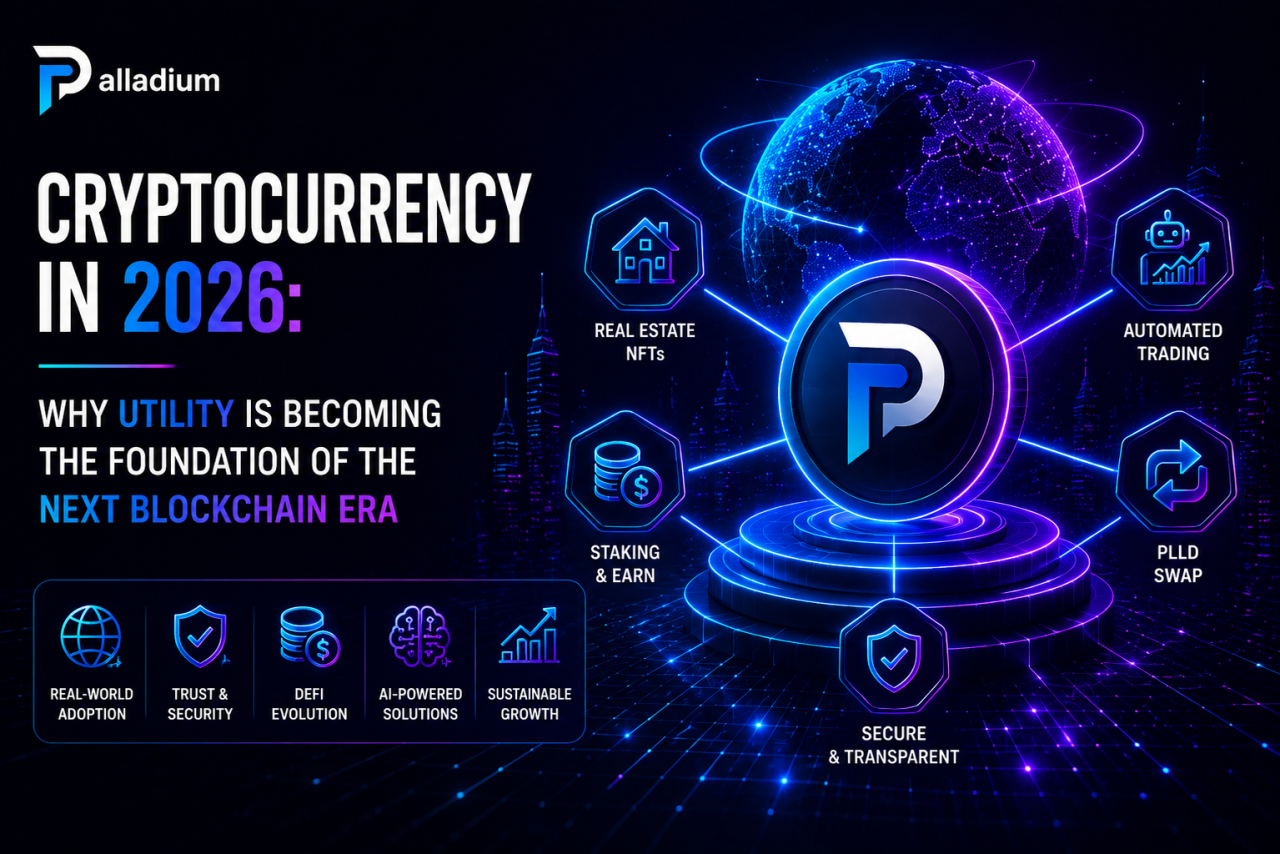
Perhaps the biggest change within cryptocurrency is the growing emphasis on practical utility.
Investors are increasingly evaluating projects based on factors such as:
- Product development
- Ecosystem growth
- Real-world applications
- Active communities
- Long-term vision
- Transparent development
This represents a significant shift from earlier market cycles, where speculation often received more attention than functionality.
Projects capable of delivering products that solve real problems are increasingly positioned for long-term success.
Looking Ahead
The cryptocurrency industry continues to mature at an impressive pace.
Blockchain technology is moving beyond simple digital payments toward broader applications including decentralized finance, tokenized assets, artificial intelligence, digital identity, supply chain management, and global payments.
While innovation will continue bringing new opportunities, the industry's future is increasingly being shaped by projects that prioritize utility, transparency, and sustainable ecosystem development.
As adoption grows across both businesses and consumers, cryptocurrency appears to be entering a new phase—one where real-world value and practical use cases become just as important as technological innovation itself.
Disclaimer: The information provided in this article is for informational and educational purposes only and should not be considered financial, investment, or trading advice. Cryptocurrency markets are highly volatile and involve significant risk. Readers are encouraged to conduct their own research, verify all facts, and consult with a licensed financial advisor before making any investment or trading decisions.